
27. 上棟式 27. Jotoshiki (Raising Ceremony)
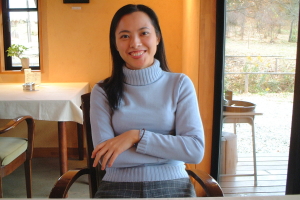
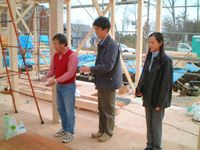
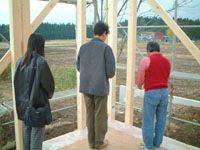
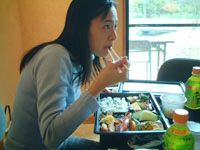
上棟式は、建物の骨組みができあがった吉日に行うものです。幣串(へいぐし)という飾りをかけて、工事中の安全を祈願します。神主は招かず、棟梁(工務店の社長)が代行します。カオリの場合は、棟梁と円谷さんが中心となって略式で執り行いました。安全祈願のあと、建物の四隅の柱に酒と塩、米をまいて建物を清めるという手順で、10分ほどで終了しました。そのあと、会場としてお借りした那須倶楽部へ車で移動して少し職人さん達とお話をして、仕出し弁当を一緒に食べて解散となりました。
さて。実は上棟式は朝11時から行なう予定だったのですが、事件が起きました。寝坊してしまったのです。目が覚めたら朝の9時30分でした。8時の新幹線に乗る予定でしたから、これではまったく間に合いません。
「がーん。大変なことになったよー。何時に那須高原に到着できるかな?」
急いで飛び起きて、歯を磨きながらPCの電源を入れて、目がぐるぐる回りながら一生懸命考えます。
「最短で乗れる新幹線は?」
「12時過ぎなら那須高原に到着できそうかな?」
「円谷さんに連絡して、お弁当屋さんに連絡して、那須倶楽部に電話しなきゃ!」
こういう状況になった以上、冷静にすべての時間を調整して、段取りを組み直さなければなりません。
しかも短時間で。
もう駄目かと思いましたが、それらの段取りをすべて終えて、飛び出すようにして家を出発しました。
そして何とか職人さん達のお昼の時間にも間に合い、和気あいあいとした雰囲気の中で無事に上棟式を終えることができました。
後で考えてみると、日取りは「先負け」、午前中に祭事を行なうことは避けた方がよかったので、結果として午後にズレ込んだ上棟式は大正解かもって一人で納得していたカオリです(職人の皆さん、お待たせしてしまってゴメンナサイ)。
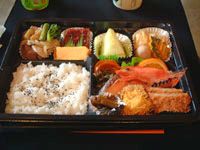
さらに白状しますが、上棟式のお弁当の手配も前日まですっかり忘れていて、慌てて探したところが偶然にも最高に素晴らしいところでした。カオリが仕出しのお弁当を頼んだのは「那須ショッピングセンタ」(現在は残念ながら閉業されました)です。予算に合わせて800円から3500円くらいの範囲で仕出しのお弁当を作って届けて頂くことができます。カオリがお願いしたのは2000円のお弁当でしたが、柔らかい那須牛のステーキが入っていたり、エビやメロンまで入っていたり、とにかく豪華で量も多く、カオリは半分くらい残してしまいました。職人さん達も「おかずが多くて・・・」と言っていましたので足りないということもなく、満足して頂けたようでホッとしました。
会場としてお借りした「那須倶楽部」(那須町高久丙1224 TEL:0287-76-1242)は会場費が一人500円と格安でとても助かりました。ちょうど押し花展をしていて、会場内の四方の壁には美しい押し花で作られた作品がたくさん飾ってあり、とても上品な感じで大満足でした。オーナーの大森さんの奥様が気を遣ってくださって、芋の煮物や柿を剥いたものなど用意して頂き、とても恐縮してしまいました。そのうえ、仕出し弁当のゴミまで「地元だから大丈夫よ」という優しいお言葉で引き受けて頂き、感謝の念でいっぱいです。
上棟式といってもカオリの到着が遅れたのですでに建物はほとんど組み上がってしまっていましたが、色々な人々に助けられながら職人さんたちとのコミュニケーションを図るという目的はきちんと達成された訳で、「良かった、良かった」です。
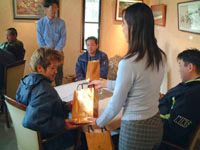
参考までにカオリが用意したご祝儀は、寸志としてビール券が5枚の他に、棟梁と設計者には各1万円、職人さんたちには各5千円を包み、お菓子としてゴディバのチョコレートの小袋をお渡ししました。そして那須倶楽部で会場として1部屋を借りて、みんなで仕出しのお弁当(2千円のお弁当+暖かいお味噌汁+暖かいペットボトルのお茶)を頂きました。
上棟式を終えてみて、やはり職人さん達と顔合わせが出来て良かったと思いました。建物を造るのは人間です。職人さん達も施主の顔を見て、「この人の別荘を建築するんだ」という意識を持つことで、仕事に対する取り組み方も自然と違ってくるはずです。人間対人間のコミュニケーションを持つことによって、最終的な完成時の出来がまるで違ってくる。やはりそれが正しい家造りというものだと思うのですが、いかがでしょうか?
Jotoshiki is held on an auspicious day when the framework of a building has been completed. A decoration called a heigushi is displayed, and prayers are offered for safety during construction. A Shinto priest is not invited; instead, the master carpenter (the head of the building company) serves as the officiant. In Kaori’s case, the ceremony was carried out in a simplified form led mainly by the master carpenter and Mr. Tsuburaya. After the safety prayer, sake, salt, and rice were scattered at the pillars on the four corners of the building to purify it, and the ceremony ended in about ten minutes. After that, everyone drove to Nasu Club, which Kaori had borrowed as the venue, chatted with the craftsmen for a while, ate catered bento lunches together, and then dispersed.
Now then. The ceremony was actually scheduled to start at 11:00 in the morning, but an incident happened: Kaori overslept. When she woke up, it was 9:30 a.m. She had planned to take the 8:00 Shinkansen, so there was no way she could make it on time.
“Oh no… this is terrible. What time can I even arrive in Nasu Kogen?”
She jumped up in a panic, turned on her PC while brushing her teeth, and thought as hard as she could while her head spun.
“Which Shinkansen can I take at the earliest?”
“If it’s after noon, can I make it to Nasu Kogen?”
“I have to contact Mr. Tsuburaya, call the bento shop, and call Nasu Club!”
Once things had come to this, she had to calmly adjust every schedule and rebuild the plan—quickly.
She thought it might be hopeless, but after finishing all the arrangements, she rushed out of the house. In the end, she somehow made it in time for the craftsmen’s lunchtime, and in a friendly, lively atmosphere she was able to finish the raising ceremony safely.
Looking back, the date was “Sakimake,” and she felt it might have been better to avoid holding the ceremony in the morning, so Kaori convinced herself that the ceremony shifting into the afternoon was actually the perfect result (to all the craftsmen—sorry for making you wait).
She will also admit this: she had completely forgotten to arrange the lunch bento until the day before, and when she hurriedly searched, she happened to find a truly wonderful place. Kaori ordered catered bento from the “Nasu Shopping Center” (sadly now closed). They could prepare and deliver bento in a range of budgets. Kaori ordered a bento priced at 2,000 yen, and it included tender Nasu beef steak, shrimp, even melon—very luxurious and plentiful. Kaori ended up leaving about half. The craftsmen also said there were “so many side dishes,” so it did not seem that anyone was lacking, and she was relieved that they appeared satisfied.
The venue she borrowed, “Nasu Club” (Takakuhei, Nasu-machi 1224 / TEL: 0287-76-1242), was a great help because the fee was an inexpensive 500 yen per person. There happened to be a pressed-flower exhibition, and the walls were decorated with many beautiful works, giving an elegant atmosphere that she loved. The owner’s wife kindly took care of them, even preparing simmered potatoes and peeled persimmons, which made Kaori feel humbled. On top of that, she even accepted the trash from the catered bento with the warm words, “It’s local, so it’s fine,” and Kaori felt deeply grateful.
Even though Kaori arrived late and most of the building had already been assembled, the goal of communicating with the craftsmen—while being helped by many people—was properly achieved, and she felt, “Good, good.”
For reference, the celebration gifts Kaori prepared were: five beer vouchers as a small token; 10,000 yen each for the master carpenter and the designer; 5,000 yen each for the craftsmen; and small packets of Godiva chocolate as sweets. She also rented a room at Nasu Club as the venue, and everyone ate the catered bento together (a 2,000 yen bento plus warm miso soup and warm bottled tea).
After completing Jotoshiki, Kaori felt it was truly good that she could meet the craftsmen face to face. Buildings are made by people. When craftsmen see the client’s face and think, “We are building this person’s vacation house,” their approach to the work naturally changes. With person-to-person communication, the final quality at completion can be completely different. That, she believes, is what proper home building should be—what do you think?
この体験談の読み方
各ページでは、那須での別荘建築について、土地探し・建築家との打合せ・工事・完成後の暮らしの様子などを順に紹介しています。
興味のある部分から読んでいただいても構いませんし、最初から順に読んでいただくと、より流れがつかみやすいと思います。
関連リンク
How to read this story
Each page shows one step of building the vacation house in Nasu, such as land search, meetings with the architect, construction, and daily life after completion.
You can start from any part you like, but reading in order may help you understand the full flow more clearly.