
26. 詐欺師たち 26. Scammers

人と話しをするときには“何かお金になることはないか?”と探りを入れ、会話の中で弱味を見つけたら徹底的に自分に都合の良いように攻めてきます。 そういった人々には毅然とした態度で”お付き合いお断り”とハッキリ言いましょう。 カオリは何故だかそういった人々に対して本能で警報が鳴ります。「この人、怪しい」。 カオリがそう感じた人はほぼ間違いなく“詐欺師”でした。 When they talk to you, they probe for ways to profit—“Is there anything here that can make me money?” If they find a weakness in the conversation, they relentlessly press it to benefit themselves. With people like that, be firm and clearly say, “No, I won’t get involved.” For some reason, Kaori’s instincts ring an alarm: “This person is suspicious.” And nearly every time she felt that way, the person turned out to be a scammer.
色々な言い訳をして、必要以上に自分を大きく見せたがる。そういう人々が、別荘の新築に絡んで動くお金の匂いにつられて寄ってきます。 “詐欺師”同士はお金の繋がりでしかありませんから、全体が組織的に見えても、それぞれが“お金のために”動いているに過ぎません。 ですから自分に不利益な状況になれば簡単に仲間でも裏切ります。 ついこの前までつるんでいた仲間なのに「実は自分も騙されていたんです」などと言って平気で裏切るので、ますます混乱します。 They make excuses and try to look bigger than they are. They’re drawn in by the smell of money that moves around a new vacation-house build. “Scammers” are connected only by money, so even if it looks like a coordinated group, each person is simply acting “for money.” The moment something becomes disadvantageous, they will betray even their own associates. Someone who was allied yesterday may calmly switch sides and say, “Actually, I was scammed too,” which only adds confusion.
那須で行なわれてきた悪い業者による詐欺には、お金を中心に様々な人々が絡んでいます。 二束三文の土地に産廃を埋めてそれを素知らぬ顔で転売して何も悪いとは思わない強欲な小金持ち老人、 そういった二束三文の土地と知ったうえで高値で仲介する不動産を扱う業者、手抜き工事をする建築を扱う業者、 怪しい広告代理店のような業者、整地だけやらしてくれと言って手抜き土木を請け負う業者、 別荘管理を請け負い勝手に貸別荘として運営して自分の利益を得ようとする自称管理人など。 彼等はお金になることならどんな手段も選ばず、どんな手間も惜しみません。 すべての会話が駆け引きで、何かお金になることはないかと、虎視眈々と狙ってきます。 ですから話をするのにも細心の注意が必要で、とても疲れます。そういった人々がウヨウヨしているのが那須の現実です。 In Nasu, scams by dishonest operators involve many kinds of people, all revolving around money: greedy small-wealth “landowners” who bury industrial waste on dirt-cheap land and resell it as if nothing is wrong; real-estate brokers who knowingly mediate such land at inflated prices; builders who cut corners; shady ad-agency-like businesses; contractors who insist they “only do land grading” but do sloppy civil work; and self-proclaimed “managers” who take on villa management and then run it as a rental for their own profit. If it can make money, they’ll choose any method and spare no effort. Every conversation is bargaining—they watch, waiting for an opening. Talking with them requires extreme caution, and it’s exhausting. That’s the reality of Nasu: such people are out there.
実はカオリが那須で別荘を建築するにあたっても、実に多くの悪い業者(詐欺師たち)が舞台に登場してくれました。 廃棄置き場の近くの土地を紹介されたり、裏が沼地で傾斜地の土地を紹介されたり、内容から見て明らかに法外な値段の建築見積書を3回も提出されたり。 危うく騙されそうになる場面が何回もあったのですが、その度にカオリの中で警報が鳴り響きました。「この人、怪しい」。 何度も何度もそういった場面をくぐり抜けて、最終的には「リゾートハウスの鈴木社長」と「一級建築士の円谷さん」という最高の人達(地元の良識ある方々)に巡り会うことができました。 その出会いを運んできてくれた「ペンシオーネ サライの中村さん」にはいくら感謝しても足りないくらいです。 When Kaori built her vacation house in Nasu, many dishonest operators (scammers) appeared on the scene: she was shown land near disposal sites; land with swampy ground behind it and steep slopes; and she even received three construction estimates that were clearly outrageous for what they contained. There were many moments where she nearly got tricked—but each time, her inner alarm rang: “This person is suspicious.” After passing through those situations again and again, she ultimately met two truly excellent, trustworthy local professionals: Mr. Suzuki of Resort House and Mr. Tsuburaya, a first-class architect. And she can’t thank Mr. Nakamura of Pensione Sarai enough for bringing those connections.
カオリは別荘建築にあたって、多くの悪い業者(詐欺師たち)と会いましたので、そこに共通している事柄がハッキリと見えてきました。 参考のために箇条書きで書き出してみましょう。 Because Kaori met many dishonest operators during the build, clear common traits emerged. Here they are as bullet points for reference.
-
大きなことを言う。
悪い業者(詐欺師たち)は必要以上に自分を大きく見せようとします。「今度、事務所を大きくしたいと思っているんです」とか、 「数十人も使っていて大変なんです」とか、「この仕事は自分以外にはできません」とか、 大きなことを言う人には注意しましょう。 They talk big.
Dishonest operators try to appear larger than life: “We’re about to expand our office,” “I manage dozens of workers,” “No one else can do this job,” and so on. Be cautious of people who constantly boast. -
自分のことばかり話す。
聞きもしないのに自分のことばかり話す人は要注意です。 それにつられてうっかりこちらも話に乗ってしまうと、余計な情報を相手に知られてしまって弱味につけこまれることになります。 もしどうしても話をせざるを得ない場合はなるべく余計なことを喋らないようにノラリクラリとかわしましょう。 They only talk about themselves.
Watch out for people who keep talking about themselves without being asked. If you get pulled in, you may reveal extra information that they later exploit. If you must speak with them, avoid oversharing and deflect politely. -
大きな声で話す。
威嚇しているつもりなのか、詐欺師には大きな声で話す人が多いようです。 第一声で「いやあ、どうも~!お世話さまです~!!」なんて大きな声で近付いてくる人は警戒しましょう。 They speak loudly.
Perhaps to intimidate, many scammers speak in an overly loud voice. Be wary of people who approach with booming greetings right from the first word. -
お金にルーズ。
金額の大小に関わらず、とにかくお金のことにルーズです。 請求書を出してくれと言っても2回・3回とズルズルと引き伸ばされることも珍しくありません。 もし、一度でもそういった目にあったらかなり怪しいです。 They’re sloppy with money.
Regardless of the amount, they are careless about payments and accounting. Even if you request an invoice, it may be delayed again and again. If you experience this even once, treat it as a serious red flag. -
平気で法を破る。
「自分だけは許される」そう思っているのが詐欺師です。 ですから、個人営業なのに平気で有限会社や株式会社を名乗って商売をしています。 会社だと思っていたのに実は個人営業だったという話は那須ではよくある話です。 They break the law without hesitation.
Scammers believe “rules don’t apply to me.” They may run as an individual while falsely claiming to be a corporation (Ltd./Inc.). In Nasu, it’s not rare to discover someone isn’t a company at all despite claiming otherwise.
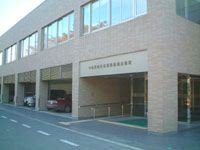
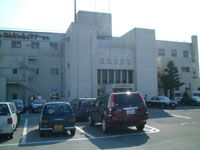
那須で悪い業者(詐欺師たち)の被害に遭わない為にはどうすればよいのでしょうか?それはズバリ、 取引を始める前に相手の業者の登記を法務局で調べることです。 そして相手がきちんとした会社かどうか、怪しい抵当権が設定されていないかどうかの2点を調べることで、詐欺被害の8割は防げると言われています。 相手が会社でなかった場合は問題外(詐称罪という犯罪です)。もし会社でも、土地と建物の登記を調べて、怪しい抵当権が設定されていたら取引するのは止めた方がいいでしょう。 那須に別荘を建築する場合には「宇都宮地方法務局黒磯出張所」(住所:黒磯市橋本町8番50号 TEL:0287-62-0230)で登記を調べることが出来ます。 登記簿謄本は1通につき1000円でとれます。 登記情報提供システムを利用すればインターネットでも簡単に情報を取り寄せることが出来ます。 How can you avoid becoming a victim of dishonest operators (scammers) in Nasu? The answer is simple: Before you start any deal, check the other party’s registration at the Legal Affairs Bureau. It’s said that by verifying (1) whether they are a legitimate company and (2) whether suspicious mortgages/liens are set, you can prevent 80% of scam damage. If they aren’t actually a company, that’s a deal-breaker (it’s a criminal act to misrepresent). Even if they are a company, check land/building records—if suspicious collateral is set, it’s safer not to proceed. For building a vacation house in Nasu, you can check at the “Utsunomiya District Legal Affairs Bureau, Kuroiso Branch” (Address: 8-50 Hashimoto-cho, Kuroiso City / TEL: 0287-62-0230). A registry certificate costs 1,000 yen per copy. You can also use the Touki Information System to obtain information online.
「そこまでする必要あるの?」と思われる方がいるかも知れませんが、残念ながらそこまでする必要があるのが那須の実情なのです。 You might think, “Do I really need to go that far?” Unfortunately, in Nasu, you really do.
登記を見て怪しい会社かどうかを判断する一つの方法として、登記簿謄本の「目的」を調べるという手段があります。 怪しい不動産関係の会社の「目的」は例えば以下のようになっています。 One way to judge whether a company looks suspicious is to check the “Purpose” section in the registry. For questionable real-estate-related companies, it may look like this:
- 宅地建物取引業Real estate transaction business
- 不動産管理業Property management
- 建築工事業Construction work
- 農林水畜産物、魚介類及びその加工食品、保存食品等の輸出並びに販売Export and sale of agricultural/forestry/livestock products, seafood, and processed/preserved foods
- 自動車、自動車用品、自動車部品の輸出並びに販売Export and sale of automobiles, accessories, and auto parts
- 前各号に附帯する一切の業務All business incidental to the above
目的の1~3までは良いとしても、4と5は明らかに変です(少なくとも普通は不動産関係の会社の仕事ではありません)。 まるで取り込み詐欺でもしようとしているかのようです。こういった会社とはお付き合いをしない方が賢明です。 Purposes 1–3 look normal, but 4 and 5 are clearly odd (at least, they’re not typical for a real-estate firm). It can look like they’re preparing for a “hit-and-run” style fraud. It’s wiser not to get involved with such a company.
また、取引する相手が会社ではなく個人の場合は人物調査を必ず行なうべきです。興信所に頼んで5万円もあれば基本的な調査はできます。 また、過去に那須で倒産した建築関係の会社に勤めていた経歴がないかどうかも併せて確認します。 もし、過去に那須で倒産した建築関係の会社に勤めていた経歴があったら、その会社について調べ、会社が違法なことを繰り返していた形跡があれば、取引するのは止めた方が良いでしょう。 If your counterparty is an individual rather than a company, you should investigate the person. Using a private investigation agency, basic checks can be done for around 50,000 yen. Also confirm whether they previously worked at a construction-related company in Nasu that went bankrupt. If they did, research that company—and if it shows signs of repeated illegal behavior, it’s safer not to proceed.
特に最近、悪質な手口として増えているのが、以前、自分達で売りつけた欠陥住宅の不具合を指摘してリフォームを持ちかける例です。 そのリフォームがまた手抜き工事で、何年後かにまた修理が必要になるというのがオチです。 こうなると悪い業者の“カモ顧客リスト”に入ってしまって、悪くすると一生どころか親子に渡って何世代も、その連鎖から抜け出せなくなってしまいます。 A particularly malicious tactic that has increased recently is: they point out “defects” in a faulty house they sold you in the past, then push a renovation. That renovation is also shoddy, and years later you need repairs again—that’s the punchline. Once this happens, you end up on their “easy target customer list,” and in the worst case, the cycle can continue for your lifetime—for generations.
別荘建築という大きな夢の実現がすぐそこにあるという陶酔感からついガードが甘くなる建主が多いのが、那須でこれだけ悪い業者が増えてしまった原因のようです。 ですから敢えて申し上げます。「安易に人を信用するな」と。 何千万円も費用をかけて建築する別荘は、特に建築業者選びで慎重すぎるくらいに慎重になるべきです。 建築業者選びで失敗したら、そこから先はもういくら注意しても駄目なんだということをしっかりと認識しておきましょう。 Many homeowners let their guard down because the dream of building a vacation house feels so close. That seems to be one reason dishonest operators have proliferated in Nasu. So let me say it plainly: “Don’t trust people too easily.” When you’re spending tens of millions of yen, you should be extremely cautious—especially when choosing a builder. If you fail at choosing the builder, no amount of caution afterward can fully fix it. Keep that in mind.

1.登記情報提供システム
→このページで利用者登録をすると、IDとパスワードが郵送で送られてきて、登記情報をインターネットで簡単に調べられるようになります。
有料ですが、わざわざ法務局まで行く必要がなくて大変に便利です。さっそく利用者登録をして、
これから取引をしようとしている相手業者住所の土地と建物の登記を調べてみましょう。
もし、怪しい抵当権が設定されていたりしたら、取引は止めておいた方が良いでしょう。
1. Touki Information System
→ Register on this site and you’ll receive an ID and password by mail, allowing you to check registry information online.
It’s paid, but very convenient—no need to travel to the Legal Affairs Bureau.
Register and check the land and building registry at the address of the company you’re about to deal with.
If suspicious liens or mortgages are set, it’s safer to stop the deal.
2.東京都公式ホームページ
→このページで東京に本社がある建築関係の会社が過去に営業停止などの処分を受けているかどうか、検索窓に会社名を入力して検索することで調べることが出来ます。
ただし、設立されて間もない会社(過去の営業停止などの処分をリセットするために名前を変えて設立された怪しい会社)は、検索結果には出てこないので、注意が必要です。
2. Tokyo Metropolitan Government (Official Site)
→ Here you may be able to check whether a construction-related company headquartered in Tokyo has received past penalties such as business suspension,
by searching the company name.
However, be careful: newly established companies (possibly rebranded to “reset” past penalties) may not appear in results.
この体験談の読み方
各ページでは、那須での別荘建築について、土地探し・建築家との打合せ・工事・完成後の暮らしの様子などを順に紹介しています。
興味のある部分から読んでいただいても構いませんし、最初から順に読んでいただくと、より流れがつかみやすいと思います。
関連リンク
How to read this story
Each page shows one step of building the vacation house in Nasu, such as land search, meetings with the architect, construction, and daily life after completion.
You can start from any part you like, but reading in order may help you understand the full flow more clearly.