
2. 土地探しは「冬」が常識 2. Finding land in winter
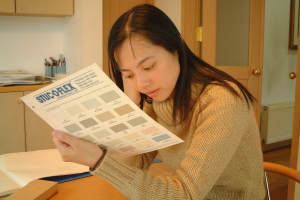
土地探しは那須にとって一番厳しい季節である「冬」にするのが正解です。 “Customers who come in winter are serious; customers who come in summer are just browsing.” This is what many local real estate agents in Nasu say.
If you are searching for land, doing it in winter—the harshest season in Nasu—is the right choice.
「冬にやってくるお客は本気客、夏にやってくるお客はひやかし客」これは那須の地元の不動産屋がみんな口を揃えて言うことです。夏の那須はどこに行っても良い風景に見えてしまって、土地を選定するには適しません。どこもかしこもが良く思えてしまうからです。
しかも遊びに来たついでに不動産屋に立ち寄る観光客は、土地を探すことにあまり熱心ではありません。ですから不動産屋も本気で相手をしません。
“Customers who come in winter are serious; customers who come in summer are just browsing.” Local real estate agents in Nasu often say this. In summer, Nasu looks beautiful almost everywhere, which makes it a poor season for selecting land—everything seems good.
Also, many tourists drop by a real estate office casually while sightseeing and are not very serious about buying land. As a result, agents are not always serious in how they deal with them.
土地探しは那須にとって一番厳しい季節である「冬」にするのが正解です。
別荘を持つ場合には一年を通して使用することが前提ですから、一番厳しい季節である冬に快適に過ごせるかどうかは大きなポイントとなります。そういったことを考慮しながら、那須で土地をさがす場合は、概ね以下のような点に注意するべきでしょう。
The right answer is to search for land in winter, the harshest season in Nasu.
If you own a vacation house, you will likely want to use it year-round, so whether you can live comfortably in winter is a major point. Keeping that in mind, when you search for land in Nasu, you should generally watch for the points below.
-
もし別荘を建てたいという強い希望があるのなら、できれば土地を探す前に地元の建築士又は工務店に相談して、一緒に土地を探してもらう(もしくはアドバイスしてもらう)方が安全です。那須にある不動産屋の多くは相手が素人だと好き放題に騙してきます。そのため、別荘を建築できないゴミ土地を掴まされるケースが後を絶ちません。
それを確実に避けるためには、地元で良い建築士又は工務店を探して相談し、別荘を建築することを前提で最適な土地を一緒に探してもらう(もしくはアドバイスしてもらう)ことです。建築士又は工務店の立場としては土地代が高すぎれば、建物の費用が無くなってしまう訳ですから、安くてお手頃な土地をアドバイスして頂ける可能性が大です。
また、地元の不動産屋も相手が地元の建築士又は工務店では悪さをすることが出来ません。 If you strongly want to build a vacation house, it is safer to consult a local architect or builder before searching, and have them help you look for land (or at least advise you). Many real estate agents in Nasu may take advantage of beginners, and there are many cases where people end up buying “bad land” where a vacation house cannot actually be built.
To avoid that, find a reliable local architect or builder and ask them to look together with the assumption that you will build a house. From their perspective, if the land is too expensive, you won’t have enough budget for the building—so they are likely to advise more reasonably priced land.
Also, real estate agents are less likely to behave badly when they are dealing with local professionals. -
「広谷地」の交差点より上の地域はそれよりも下の地域と気候が違います。寒さが厳しく雪が降ったらいつまでも溶けません。冬も別荘を利用したいという場合には「広谷地」よりも下の地域で探した方が良いでしょう。
「広谷地」よりも上の地域の土地を購入される場合で、冬の利用も考えていらっしゃる方は1月か2月に現地の状態を確認してからの契約をお薦めします。道路の凍結状況や除雪状況を確認してきちんとした対応がされているようなら安心できると思います。 The area above the “Hiroyachi” intersection has a different climate from the area below it. It is colder, and once snow falls, it may not melt for a long time. If you want to use your vacation house in winter too, it is better to search in areas below “Hiroyachi.”
If you plan to buy land above Hiroyachi and still want winter use, it’s recommended to check the site in January or February before signing. Confirm road icing and snow removal; if those are handled properly, you can feel more secure. -
那須は傾斜地もたくさんあります。傾斜地に別荘を建てる場合、基礎工事にある程度のお金がかかることは覚悟しておきましょう。例えば、平地なら100万円で済む基礎工事が、2メートル程度の傾斜で(やり方にもよりますが)、300万円くらいにはなると思った方が良いでしょう。傾斜地は大雨が降った場合のがけ崩れや地すべり、土石流なども心配です。
那須には平地がたくさんあるのですから、傾斜地よりも平地がお薦めなのは言うまでもありません。平地でも景色が良く、眺めの良い土地は探せばいくらでもあります。 Nasu has many sloped plots. If you build on a slope, be prepared to pay more for foundation work. For example, a foundation that might cost 1,000,000 yen on flat land could become around 3,000,000 yen with a slope of about two meters (depending on the method). Sloped land also brings risks like cliff collapse, landslides, and debris flows during heavy rain.
Since Nasu has plenty of flat land, it’s naturally recommended to choose flat land over slopes. Even on flat land, you can find many places with great views if you look carefully. -
川のすぐ近くは避けた方が無難です。ある芸能人の別荘が新築1ケ月で大水に流されてしまったことは有名な事件です。また、地価が安い川近くの土地は産業廃棄物処分場が作られる可能性も高く、その点でも注意が必要です。
平日の昼間にトラックが頻繁に往来するようなら近くに産業廃棄物処分場があると見て間違いないでしょう。さらに、昼間は何でもないように見える土地でも、夜は違法投棄トラックが集まってくる場所かもしれません。確認する為には夜に訪れて異臭がしないかどうかチェックするという方法があります。 It’s safer to avoid land right next to a river. There was a famous case where a celebrity’s vacation house was washed away by flooding just one month after it was built. Also, cheap land near rivers may have a higher chance of attracting an industrial waste disposal site—so you should be careful.
If you see many trucks passing frequently on weekday daytime, it may indicate a disposal site nearby. And even if the land looks fine during the day, illegal dumping trucks might gather at night. One way to check is to visit at night and see if there are strange smells. -
水道は町営水道が引き込み済みの土地を探しましょう。それなら町との基本契約料金(約22万円)だけで水道を引くことができます。井戸水は避けた方が無難です。水の供給量が不安定ですし、那須地域は扇状地ですから、将来上流に産業廃棄物処分場などが造られた場合は、その水が地下水となって流れてくるため水質に影響が出るのではなどの心配があります。
数ある分譲別荘地のなかには井戸水で、しかも水道負担金が100万円近く取られる所もあります。水道は生活に必要な重要なライフラインですので、「それなら水は供給しない」と迫られると、最後は言いなりにお金を払うしかないというところが怖いです。 Look for land where municipal water has already been brought in. Then you can connect water with only the basic contract fee with the town (around 220,000 yen). It’s safer to avoid well water: supply can be unstable, and since Nasu is an alluvial fan area, if an industrial waste site is built upstream in the future, there’s concern that groundwater flow could affect water quality.
Some subdivided vacation areas use well water and still charge close to 1,000,000 yen as a water-related fee. Water is a critical lifeline, and if you’re told “then we won’t supply water,” you may have no choice but to pay—this risk is frightening. -
別荘用の分譲地では高額の水道負担金のほか、管理費や自治会費など、色々なお金がかかります。これから土地を探すのであれば、出来れば別荘用の分譲地以外の土地を探すことをお薦めします。別荘用の分譲地で長らく自治会長を務められていた方が亡くなったあと、次期自治会長の座を巡って「権力争い」が勃発し、大変な騒ぎになったという例もあります。
また、最初に別荘用の分譲地を造った会社の経営状況が悪化して、他の会社に丸ごと売却された例も多数あり、その場合は「これからどんな管理が行われるか」に不安を抱くことになります。 In subdivided vacation communities, in addition to high water-related fees, you may also pay management fees and neighborhood association dues. If you are searching for land now, it is recommended to look for land outside such vacation subdivisions if possible. There are even cases where, after a long-serving association leader passed away, a “power struggle” over the next position caused major conflict.
Also, many subdivision developers have later faced financial trouble and sold the entire area to another company—leaving owners anxious about what kind of management will be provided going forward. -
もし、別荘用の分譲地の土地が気にいってしまい購入したいという場合には、運営元の会社が大手で経営状況が安定しているかどうかや、管理がしっかりしているかどうかを事前に必ず確認しましょう。大手以外の別荘用の分譲地は、管理がいいかげんでお金ばかりかかるという所も多いようです。出来れば、あらかじめその別荘用の分譲地に定住している方2~3人に、管理状態について直接お話を伺った方が良いでしょう。
社会的に信頼があり安心できるような大手が運営する別荘用の分譲地は、別荘地全体が素敵な雰囲気で整備されてインフラなどの管理もしっかりしており、そうそう変なこと(騙されるとか)も起こりにくく確かに魅力的なのですが、その分(安心料も含めて)、ある程度のプレミア価格となることは覚悟しておく必要があります。 If you really like land inside a vacation subdivision and want to buy it, be sure to check in advance whether the operating company is a large, financially stable firm and whether management is solid. For non-major operators, there seem to be many places where management is sloppy but costs keep piling up. If possible, talk directly with two or three residents who live there year-round and ask about management conditions.
Subdivisions run by reputable major companies can be attractive: the area tends to be well maintained and infrastructure management is strong, so serious trouble (like being deceived) is less likely. However, you should be prepared to pay a premium price (including a “peace-of-mind” premium). -
湿気や匂いにも注意しましょう。特に那須は湿地帯ですので湿気があります。これと思った土地が見つかったら時期を変えて何度も訪れて水が染み出たりしていないかチェックした方が良いでしょう。熱心な人は自分で水を撒いてきちんと染み込むかどうか確認したという話もあります。同時に匂いについても確認しましょう。
那須は農家が多いので肥料をまくと匂いがします。年に1・2回なら止むを得ませんが、いつも匂うというのではいただけません。 Pay attention to humidity and odors. Nasu has wetlands, so humidity can be an issue. If you find a plot you like, visit multiple times in different seasons to check whether water seeps out. Some dedicated buyers even pour water themselves to see if it drains properly. Also check for smells.
Because Nasu has many farms, you may smell fertilizer. Once or twice a year may be unavoidable, but constant odors are a problem. -
那須は場所によって“日光国立公園”に指定されているところがあります。国立公園内では木を一本切るのにも許可が必要となります。自然保護が第一とされている区域に住居を建築する場合、ある程度の規制を受けることは知っておきましょう。
庭木一本も自由に伐採できないような、“日光国立公園”に指定されている土地は避けた方が無難と考えます。 Some areas in Nasu are designated as part of “Nikko National Park.” In a national park, you may need permission even to cut a single tree. If you build a residence in a zone where nature protection is the top priority, you should expect certain restrictions.
For that reason, it may be safer to avoid land designated as part of “Nikko National Park”, where you cannot freely prune or cut even a garden tree. -
那須の地元の不動産屋を回りましょう。東京にある大手の不動産屋などで安易に土地を探しても良いところは見つかりません。逆に手数料などで余計なお金がかかるだけです。
土地を探す場合には必ず那須へ行き、地元の不動産屋にあたるべきです。ただし、適当に目に付いた不動産屋に入って良い土地が見つかるほど甘くはありません。良い土地と良い不動産屋を見つけるには地元の人に聞くことです。ペンションに泊まってオーナーに「開業するときにどんな風に土地を探したのか?」の体験談を聞いてみるというのも良い手です。 Visit local real estate agents in Nasu. If you casually search through major agencies in Tokyo, you likely won’t find good land—and you may just end up paying extra fees.
When searching for land, you should go to Nasu and talk to local agents. That said, it’s not so easy that you can simply walk into any office and find a great plot. To find good land and good agents, ask local people. Staying at a pension and asking the owner how they searched for land when they started their business can also be a helpful approach. -
4メートル以上の公道又は位置指定道路に面している土地を選びましょう。そうでないと建築許可が下りず別荘を建築することができません。また、金融機関からお金を借りて別荘を建築する場合には4メートル以上の公道又は位置指定道路に面している土地であることが絶対条件です。
「今は位置指定の無い私道だけど、これから申請するから」と言って騙されて別荘建築のできないゴミ土地を買わされるケースも多いようです。くれぐれも注意して下さい。 Choose land that faces a public road at least 4 meters wide, or a designated road. Otherwise, you may not get building permission and cannot build a vacation house. Also, if you plan to borrow money from a financial institution to build, facing such a road is often a strict requirement.
There are many cases where people are deceived with claims like “It’s a private road now, but we’ll apply for designation later,” and end up buying land where they cannot build. Please be extremely careful. -
できれば「ローン条項付きの契約」をしてくれる不動産屋を探しましょう。但し、ここで言う「ローン条項」とは、“○月○日までに○○銀行(または金融公庫)から○○万円のローンが組めなければ売買契約を白紙に戻し、手付け金を返金してもらう”という特約です。
同じ「ローン条項」と言っても内容をきちんと明確にしておかなければ、悪質な不動産屋に追い込まれる場合があるので注意して下さい。日時や金融機関や金額を明確にせずに、“ローンが組めなければ売買契約を白紙に戻して手付金を返金する”というローン条項を特約として結んだ場合、ある金融機関でローンが組めなかったからといって、「すべての金融機関に当たった訳じゃないでしょ?ノンバンクは当たったんですか?」などとつっぱねられ、すんなりと売買契約を解除できない場合があるからです。 If possible, find an agent who will accept a purchase contract with a loan contingency clause. Here, “loan contingency” means a special condition like: “If a loan of ○○ yen from ○○ bank (or a public loan agency) cannot be arranged by ○/○, the contract will be canceled and the deposit will be refunded.”
Even with a loan contingency, you must define the details clearly—or you could be cornered by a bad agent. If you leave the date, financial institution, or amount vague and only say “If the loan can’t be arranged, the contract is canceled and the deposit returned,” you may be told: “You didn’t try every institution, did you? Did you try non-bank lenders?” and you may not be able to cancel smoothly. So be careful. -
土地を買った不動産屋にそのまま建築工事を頼むのは止めた方が良いでしょう。不動産屋が兼営する建築工事は利益の中抜きがひどく(40%くらい)、地元でも手抜き工事として大変な問題になっています。
土地は地元の不動産屋に頼み、建築工事は自分で地元の建築士又は工務店に頼むというのが、安くて品質の良い別荘を手に入れるための秘訣です。 It’s better to avoid ordering construction directly from the same real estate company that sold you the land. Construction run by real estate companies can involve heavy markups (around 40%), and locally it has become a serious problem as “cut-corner” work.
A key tip for getting an affordable, high-quality vacation house is: use a local real estate agent for the land, and separately hire a local architect or builder yourself for construction.
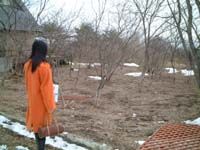
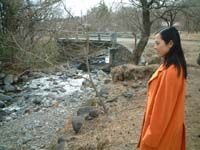
土地がだんだん削られていって無くなってしまうのでは?この風情がいいって不動産屋は言うけれど・・・。 Right next to the river.
Won’t the land slowly be eroded and disappear? The agent says “this atmosphere is nice,” but…
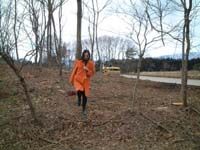
この体験談の読み方
各ページでは、那須での別荘建築について、土地探し・建築家との打合せ・工事・完成後の暮らしの様子などを順に紹介しています。
興味のある部分から読んでいただいても構いませんし、最初から順に読んでいただくと、より流れがつかみやすいと思います。
関連リンク
How to read this story
Each page shows one step of building the vacation house in Nasu, such as land search, meetings with the architect, construction, and daily life after completion.
You can start from any part you like, but reading in order may help you understand the full flow more clearly.