
建築予算について Building Budget
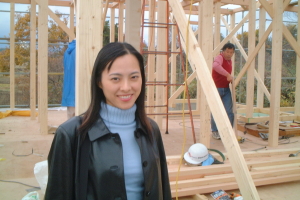
いくら良い土地が見つかっても広さや値段が予算を上回っていてはどうしようもありません。別荘の場合「どうせなら広くて立派なものを・・・」という欲望に駆られてつい予算オーバーしがちです。ですから初めに予算をしっかりと決めて、その予算内でどこまでできるか挑戦する気持ちが必要です。カオリの場合は土地500万円+建物1500万円=合計2000万円以内(諸経費別)の予算で収めたいと決めました。土地の広さは150坪程度は欲しいと考えていましたので500万円を150坪で割ると坪単価33000円ほどの土地を探さなければならないということになりました。 Even if you find a good piece of land, it won’t work if the size or price goes beyond your budget. With a vacation house, it’s easy to get carried away thinking, “If I’m doing this, I want it big and impressive,” and end up over budget. That’s why it’s important to set your budget firmly at the beginning, and then challenge yourself to see how much you can do within it. In Kaori’s case, she decided to keep the total within 20 million yen (excluding miscellaneous costs): 5 million yen for land + 15 million yen for the building. She wanted about 150 tsubo of land, so dividing 5 million yen by 150 tsubo meant she needed to look for land priced around 33,000 yen per tsubo.
ここで那須の土地評価額について少々触れておきましょう。バブル崩壊後の土地評価額はかなり下がっており、那須街道沿いで坪単価5万円、それ以外では坪単価4万円前後というのが相場です。
Here, let’s briefly talk about land values in Nasu. After the bubble economy collapsed, land values dropped significantly. The typical market price is about 50,000 yen per tsubo along the Nasu Kaido road, and around 40,000 yen per tsubo in other areas.
不動産屋さんによっては坪単価8万円とか10万円とかの値段を提示して「以前は坪単価20万円もした土地ですからお買い得ですよ」と言ってくるかもしれませんので注意して下さい。バブル期の値段を引き合いに出して、いかにもお買い得感を全面に出してくるような不動産屋さんは信用できないと疑ってかかるべきでしょう。騙されてはいけません。バブル期に幾らで買ったからせめて幾らで売りたいというのは売る側の都合であって、あくまで現在の価値で判断すべきです。繰り返しますが、那須街道沿いで坪単価5万円、それ以外では坪単価4万円前後というのが現在の土地相場なのです(高くてもいいからどうしても土地が欲しいという場合は別です)。さらに「他にいくらでも買主はいるので、早く決断してもらわなければ他の人へ売る」と言って迫ってきたら、「もう結構です」と勇気を出してお断りして、さっさと他の不動産屋さんに当たりましょう。“考える暇を与えず、決断を急がせて高額なモノを売りつける”というのは悪徳業者の常套手段であるということを覚えておいて損はありません(怪しげな人々は必ずと言っていいほどこの手を使います)。
Some real-estate agents may quote prices like 80,000 or 100,000 yen per tsubo and tell you, “This land used to be 200,000 yen per tsubo, so it’s a bargain.” Please be careful. If an agent brings up bubble-era prices and strongly pushes a “great deal” feeling, you should suspect they are not trustworthy. Don’t be fooled. Wanting to sell for “at least this much because I bought it for that much in the bubble era” is the seller’s convenience; you should judge based on today’s value. Again, the current market in Nasu is about 50,000 yen per tsubo along Nasu Kaido and around 40,000 yen per tsubo elsewhere (unless you truly want a specific land and are willing to pay more). Also, if they pressure you by saying, “There are plenty of other buyers, so if you don’t decide quickly we’ll sell to someone else,” be brave and say, “No, thank you,” then go to another agent. “Not giving you time to think, forcing a quick decision, and selling something expensive” is a classic tactic of dishonest businesses (suspicious people almost always use this).
さて、土地価格の相場については分かりましたが、それにしてもカオリが考えた坪単価33000円の土地を探すというのは至難の技のように思えてきました。そういう値段は古くからの地主さんが直接売り出す場合以外は考えられません。色々と調べて資料を取り寄せてみましたが、やはり坪単価5万円前後が一番多いようです。坪単価が安い土地もたまにはあるのですが、そういった土地は500坪単位などで売りに出ています。いくら坪単価が安くて33000円だったとしても500坪もあったらそれだけで1650万円です。かといって、坪単価5万円の土地を購入すれば、カオリの希望する150坪では750万円になってしまいます。果たして予算に見合った条件の良い土地は見つかるのでしょうか・・・。少し不安になってきました。
Now, we understand the market price range, but even so, finding land at Kaori’s target price of 33,000 yen per tsubo started to feel extremely difficult. Such a price is unlikely unless an old local landowner sells directly. She researched and requested materials, but it seemed that around 50,000 yen per tsubo was the most common. Sometimes cheaper land appears, but those listings are often sold in units like 500 tsubo. Even if the unit price is as low as 33,000 yen, 500 tsubo would still cost 16.5 million yen. On the other hand, if she buys land at 50,000 yen per tsubo, then the 150 tsubo she wants would cost 7.5 million yen. Would she really be able to find good land that fits the budget? She started to feel a bit anxious.
なお、土地に限らず予算については、建て主側の発想は「総額割り振り方式」ですが、建築業者側の発想は「費用積み上げ方式」ですので注意が必要です。同じ時間を割くのであれば出来るだけ多くの金額にしていきたいと考えるのが建築業者であり、そのため工事が始まってしまってからでも様々なオプション(追加工事)を提案してくる場合があります。建て主側は「どうせなら」良い建物にしたいという気持ちから、オプション(追加工事)を受け入れてしまいがちですが、当然、その分は後から「追加請求」として予算に上乗せされていきます。「ちょっとの費用をケチったために後で後悔したくない」という気持ちと「でも予算が・・・」という気持ち。この二つのジレンマの中で建て主は実際に建物が完成するまで悩み続けるのです。
Also, when it comes to budgeting (not only for land), the owner’s thinking is usually “allocate a total budget,” while the contractor’s thinking is “accumulate costs.” This difference requires caution. Contractors tend to think that if they spend the same time, they would like the total amount to be as large as possible, so even after construction has started they may propose various options (additional work). Owners often accept these options because they think, “If I’m doing it, I want it to be better,” but of course those costs are added later as “additional charges.” The owner then struggles with two conflicting feelings: “I don’t want to regret being cheap about a small cost,” and “But my budget…” In that dilemma, the owner keeps worrying until the building is completed.
土地価格の相場が下がっているという事情に関連して、最近、那須で行なわれて問題になっている詐欺まがいの商法についても少し触れておきましょう。それはかつて10万円以上の値段で土地を購入した持ち主に、「自分に任せてくれれば10万円以上の価格で売ってみせます」もしくは「この土地は素晴らしい土地だからそれだけのお金を出しても欲しい人は幾らでも居ますよ」という話を持ちかける“自称広告代理店”という人々のことです。手口としては「土地を高く売るためには宣伝が必要だから宣伝費として120万円ほどかかる。まずは前金として60万円頂きたい。宣伝費の残りは土地が売れてからで結構です」と持ちかけ、まんまと60万円を手に入れるというやり方です。広告は低額の費用で本当に雑誌媒体等に出すため、「売れないじゃないか」と文句を言ったところで、詐欺罪で訴えることはできません。これは実は“原野商法による第二次被害”という手口で、昔、悪徳不動産屋に高額で土地を買わされた人々がまた悪徳広告代理店にまんまと騙されるというケースです。実は第一次被害の加害者である悪得不動産屋と第二次被害の加害者である悪徳広告代理店は、同一の会社かグループ会社であることが多く、カモとなる顧客リストが使い回されているだけなのです。それでは、なぜ2回も騙されるのでしょうか?
Related to the fact that land prices have fallen, let’s also touch on scam-like business practices recently causing problems in Nasu. These are people who call themselves “advertising agencies” and approach landowners who once bought land for over 100,000 yen per tsubo. They say, “Leave it to me and I’ll sell it for over 100,000 yen,” or “This is wonderful land, so there are plenty of people who will pay that much.” Their method is: “To sell the land at a high price, advertising is necessary, and it will cost about 1.2 million yen. Please pay 600,000 yen upfront. You can pay the remaining advertising fee after the land sells.” In this way, they successfully obtain 600,000 yen. Because they actually place an advertisement in magazines or similar media at low cost, even if you complain “It’s not selling,” it is difficult to sue them for fraud. This is essentially a “secondary 피해 (second victimization) of undeveloped-land scams”: people who were once forced to buy land at high prices by dishonest real-estate agents get tricked again by dishonest “advertising agencies.” In reality, the perpetrators of the first damage (dishonest real-estate companies) and the perpetrators of the second damage (dishonest advertising agencies) are often the same company or group company, and they are simply reusing the list of potential victims. So why do people get tricked twice?
第二次被害の加害者はたいていは第一次被害の加害者である悪徳不動産屋を辞めた人々です。何故辞めたかというと、勤めていた悪徳不動産屋が宅建法違反などで業務停止処分を受けて、倒産したからです。そういう人々は新たに同じ仲間同士で会社を立ち上げて(それは胡散臭い広告代理店や不動産会社、測量会社などであったりします)、以前お付き合いがあった人々にアプローチを開始します。曰く、「あの会社は酷い会社でした。実は私も騙されていたんです」などと同情を誘い、自分も被害者なんだということを強調します。「ですから私はあの会社に騙された人たちを助けてあげたいと思っているんです」と、“仲間意識”を強調します。すると以前騙されて、酷い目に会ったはずの人々が「そうですか。分かりました。お願いします」とすっかり騙されてしまうという訳です。
The perpetrators of the second victimization are often people who left the dishonest real-estate companies responsible for the first victimization. They left because the dishonest real-estate company they worked for received business suspension penalties (for violating the Real Estate Transaction Business Act, etc.) and went bankrupt. Those people then start a new company with the same group (often a suspicious advertising agency, real-estate firm, surveying company, and so on), and begin approaching people they previously dealt with. They say things like, “That company was terrible. Actually, I was being deceived too,” to gain sympathy and emphasize that they are also victims. They add, “That’s why I want to help the people who were deceived by that company,” emphasizing a sense of “we’re in this together.” As a result, people who were previously deceived and suffered end up saying, “I see. I understand. Please help,” and get completely deceived again.
どうですか?もしも同じような手口で「騙されているかも?」と思った方は一度、現状を第3者的な視点で冷静に見つめ直してみることをお薦めします。そして“騙されてる”と思ったら、そういった人々とは縁を切って二度と近付かないことです。冷たいようですが、地元で事情を分かっている不動産関係者の方々からは“また騙されている人がいる、可愛そうに”と心の中で同情されているのだということにどうか気が付いて欲しいと願っています。
How about it? If you feel, “Maybe I’m being deceived,” with a similar approach, I recommend that you take a step back and calmly look at your situation from a third-party perspective. And if you think you are being deceived, cut ties with those people and never go near them again. It may sound cold, but I hope you realize that local real-estate professionals who understand the situation may be thinking privately, “Someone is being deceived again… how sad,” and feeling sympathy for you.
そうは言っても、第三者的な立場から「それはおかしいだろうよ」と思うようなことでも、本人的には「騙されてなんかいない、自分は正しい、そんなことを言うアナタがおかしいのよ」と思い込んでいるようなケースも多く(特に高齢者)、そのように完全にマインドコントロールされている人に真実を認識させること自体、非常に困難な場合が多いのが歯がゆいところです・・・。
Even so, there are many cases (especially among elderly people) where, although a third party would think, “That can’t be right,” the person involved believes, “I’m not being deceived, I’m right, and you’re the one who’s strange to say that.” In such cases, it’s frustrating that it is often extremely difficult to make someone who is completely mind-controlled recognize the truth…
この体験談の読み方
各ページでは、那須での別荘建築について、土地探し・建築家との打合せ・工事・完成後の暮らしの様子などを順に紹介しています。
興味のある部分から読んでいただいても構いませんし、最初から順に読んでいただくと、より流れがつかみやすいと思います。
関連リンク
How to read this story
Each page shows one step of building the vacation house in Nasu, such as land search, meetings with the architect, construction, and daily life after completion.
You can start from any part you like, but reading in order may help you understand the full flow more clearly.