
ノブレスオブリージュと那須 Noblesse Oblige & Nasu
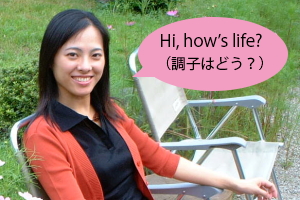
「那須観光バーチャルツアーズ」のサイトへようこそ。
那須と言えば、Nasu Imperial Villa(那須御用邸)を思い浮かべる方も多いのではないでしょうか。
那須御用邸や那須開拓の歴史を紐解いていくと、「ノブレスオブリージュ」というキーワードが見えてきます。
このページでは、その精神と那須との関わりについて、私なりの言葉でご紹介します。 Hello, this is Kaori.
Welcome to the website of Nasu Sightseeing Virtual Tours.
When you hear the name “Nasu,” you might think of the Nasu Imperial Villa, the Imperial Family’s retreat in the highlands.
As we look into the history of the Villa and the development of Nasu, one key concept begins to stand out: “noblesse oblige.”
On this page, I would like to share, in my own words, how that spirit is connected with Nasu.
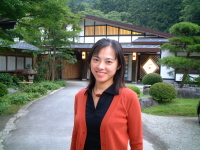
那須と言えば、Nasu Imperial Villa(那須御用邸)を思い浮かべる方も多いのではないでしょうか。
1926年に建築された那須御用邸には、毎年夏になると天皇陛下ご一家(ロイヤルファミリー)がご静養に訪れます。
For many people, Nasu is synonymous with the Nasu Imperial Villa.
Built in 1926, the Villa serves as a summer retreat where the Emperor and the Imperial Family come to relax every year.
ご静養中には、那須の観光名所を次々とお訪ねになり楽しまれます。
各観光施設の方々は、ロイヤルファミリーをお迎えして施設内をご案内します。
そのような事情から、那須は「ロイヤルリゾート」と呼ばれています。
During their stay, they visit many of Nasu’s sightseeing spots and enjoy the local attractions.
The staff at each facility have the honor of welcoming the Imperial Family and guiding them around the premises.
For this reason, Nasu has come to be known as a “Royal Resort.”
那須を観光していると、たまに「この前、お忍びでロイヤルファミリーの方が来られたんですよ」というようなお話を伺えることがあります。
そんなときは、「那須はロイヤルファミリーの方々を身近に感じられる、本当に上質なリゾート地なのだな」と感じます。
When you travel around Nasu, you may occasionally hear people say, “The Imperial Family quietly visited us the other day.”
Moments like that make me realize just how special Nasu is—a refined resort where the presence of the Imperial Family feels surprisingly close.
フランスのことわざに noblesse oblige(ノブレスオブリージュ) という言葉があります。
「高貴な地位に伴って発生する道徳的義務」「位高ければ徳高きを要す」という意味で、
「財産・権力・社会的地位」を持つ者は、それらが自分の所有物ではなく、社会から偶然与えられた預かりものであることを自覚し、
自分が持っているものを使って、誰かのため・社会のために役立つことをする義務があるという考え方です。
There is a French saying, noblesse oblige.
It is often translated as “nobility obliges” and refers to the moral responsibility that comes with a high social position.
In other words, those who possess wealth, power, or social status should recognize that these are not purely their own belongings, but gifts entrusted to them by society and circumstance.
With that awareness, they have a duty to use what they have for the benefit of others and of society as a whole.
その一例として、上皇さまが天皇陛下であられた2011年に、那須御用邸の用地の半分(560ヘクタール)を一般に公開された
那須平成の森 があります。
これは、そのお立場でしかできないノブレスオブリージュの賜物であったと言えるでしょう。
One well-known example of this spirit is Nasu Heisei-no-Mori, a nature reserve created when half of the Nasu Imperial Villa’s grounds—about 560 hectares—were opened to the public in 2011, during the reign of the then-Emperor (now the Emperor Emeritus).
It is a gift to the people that could only have been realized because of his position, and a powerful expression of noblesse oblige.

現在の那須地域全体の繁栄は、明治政府の noble(ノーブル:華族) たちが、
日本を欧米諸国に負けない豊かな国とすることを、自分たちにしかできない役割であると自覚して、
私財を投じて開拓に取り組んだことにルーツがあります。
The prosperity that Nasu enjoys today can be traced back to the efforts of the nobles of the Meiji government.
They believed it was their unique mission to help make Japan a country as prosperous as the Western nations, and invested their own fortunes to develop the region.
かつて那須地域は、日本最大の扇状地で不毛の原野が広がっていました。
扇状地特有の石ころだらけの荒野を、華族たちが明治政府の国家プロジェクトと位置付けて一丸となって開拓し、
その結果として 那須疏水 が完成し、那須地域は一変して豊饒の地へと生まれ変わったのです。
In the past, much of Nasu was an arid, barren plain—the largest alluvial fan in Japan, covered with stones and gravel.
The nobility treated the development of this harsh land as a national project under the Meiji government and worked together to pioneer it.
Their efforts led to the completion of the Nasu Irrigation Canal, which transformed the region into rich, fertile farmland.
明治政府で2度の内閣総理大臣を務めた松方正義(爵位:公爵)を始め、
同じく内閣総理大臣を務めた山縣有朋(爵位:公爵)、
日英通商航海条約を締結した外交官の青木周蔵(爵位:子爵)など、明治政府の要人たちが、
欧米を見習った大規模な農場経営に乗り出すとともに那須に別荘を構えました。
Key figures of the Meiji government played a major role in this history: Masayoshi Matsukata, who served twice as Prime Minister (Duke);
Aritomo Yamagata, another Prime Minister (also Duke);
and Shūzō Aoki, the diplomat who concluded the Anglo-Japanese Treaty of Commerce and Navigation (Viscount), among others.
Inspired by Western models, they embarked on large-scale farming projects and built villas in Nasu.
こうして那須地域は、明治時代のハイソサエティ(上流階級)が集う地域となりました。
華族たちによる大規模な開拓も、まさにノブレスオブリージュのマインド(精神)によるものだったと考えられるでしょう。
In this way, Nasu became a gathering place for the high society of the Meiji era.
Their large-scale development projects were, in many ways, a direct manifestation of the spirit of noblesse oblige.

那須には今でも、明治時代に華族たちが想い描いた欧米への深いリスペクト(敬意)を映すかのように、
どことなく日本離れした広大で優美な牧場風景が広がっています。
その上質な開放感が、人々を惹きつける魅力の一つとなっています。
Even today, Nasu’s scenery seems to reflect the deep admiration the Meiji nobility had for Western culture.
You’ll find sweeping, elegant pastures that feel almost European in atmosphere, rather than typically Japanese.
That refined sense of openness is one of the qualities that continues to draw visitors to Nasu.
「We believe people with passion can change the world for the better.
(情熱を燃やす人は、世界をより良い方向に導くことができると信じています)」
これは、故スティーブ・ジョブスさんが1997年に倒産寸前だった Apple に戻り、
「Think Different」という起死回生の広告キャンペーンを打ったときに語った言葉です。
“We believe people with passion can change the world for the better.”
These are the words Steve Jobs spoke in 1997 when he returned to Apple, then on the verge of collapse, and launched the now-legendary “Think Different” campaign.
日本ではそれよりも遥か以前の明治時代に、情熱に満ちた開拓で那須をより良い方向に導いた華族たちがいました。
自らの立場と役割を自覚し、社会のために行動したその姿は、まさにノブレスオブリージュの体現者たちだったと言えるでしょう。
Long before that, in Japan’s Meiji era, there were nobles whose passion led Nasu toward a better future through pioneering development.
Aware of their position and responsibilities, they chose to act for the sake of society—true embodiments of noblesse oblige.
私は、このような他の観光地にはない noblesse(ノーブレス:高貴) な魅力に満ちた那須を、
たくさんの方々に体験していただきたいと思いました。
那須に来れば、こんなに素敵なところがいっぱいあって、
Luxury(ラグジュアリー:贅沢) な感覚で、Precious(プレシャス:貴重) な時間を楽しめるんだよ、ということをお伝えしたいと思っています。
I would love for many people to experience Nasu’s unique charm—a truly noble atmosphere that you don’t often find in other resort areas.
When you visit Nasu, you’ll discover just how many beautiful places there are,
and how much luxury and precious time you can enjoy here.
■動画情報
■ About this video
- 春の那須 Spring in Nasu — 樹々の芽吹きが美しい季節 A season of fresh green buds and new life
- 夏の那須 Summer in Nasu — 涼しい風が心地よい季節 A season of pleasantly cool breezes
- 秋の那須 Autumn in Nasu — 赤や黄色の紅葉が美しい季節 A season of brilliant red and gold foliage
- 冬の那須 Winter in Nasu — 深々と静かな雪が降る季節 A season of quietly falling, deep snow
- お宝体験 Treasure-like Experiences — "お宝体験" が待っている Special “treasure” experiences are waiting
- グルメ体験 Gourmet Experiences — サプライズな "グルメ体験" Surprising and memorable gourmet moments
- お得な割引券情報 Discount Coupon Information — 賢く那須を楽しもう Enjoy Nasu smartly and economically
- 無料スポット Free Spots — お金をかけなくても楽しめる Have fun without spending much
- 那須のお土産 Nasu Souvenirs — 那須と言えばこれ Iconic gifts that say “This is Nasu!”
- 那須の温泉 Nasu Hot Springs — 日頃の疲れを癒そう Soothe your everyday fatigue
- 子供連れで楽しむ Enjoy Nasu with Children — 家族みんなで楽しもう Fun for the whole family
- 味覚狩り(フルーツ狩り) Fruit Picking — 自分で収穫して食べよう Pick your own fruit and taste it fresh
- 雨天時の楽しみ方 How to Enjoy Nasu on Rainy Days — 雨でも楽しめますよ~ There are plenty of ways to enjoy Nasu, even in the rain
- 那須高原ウェディング Nasu Highland Wedding — 熱々カップルに For couples in love who want a special day